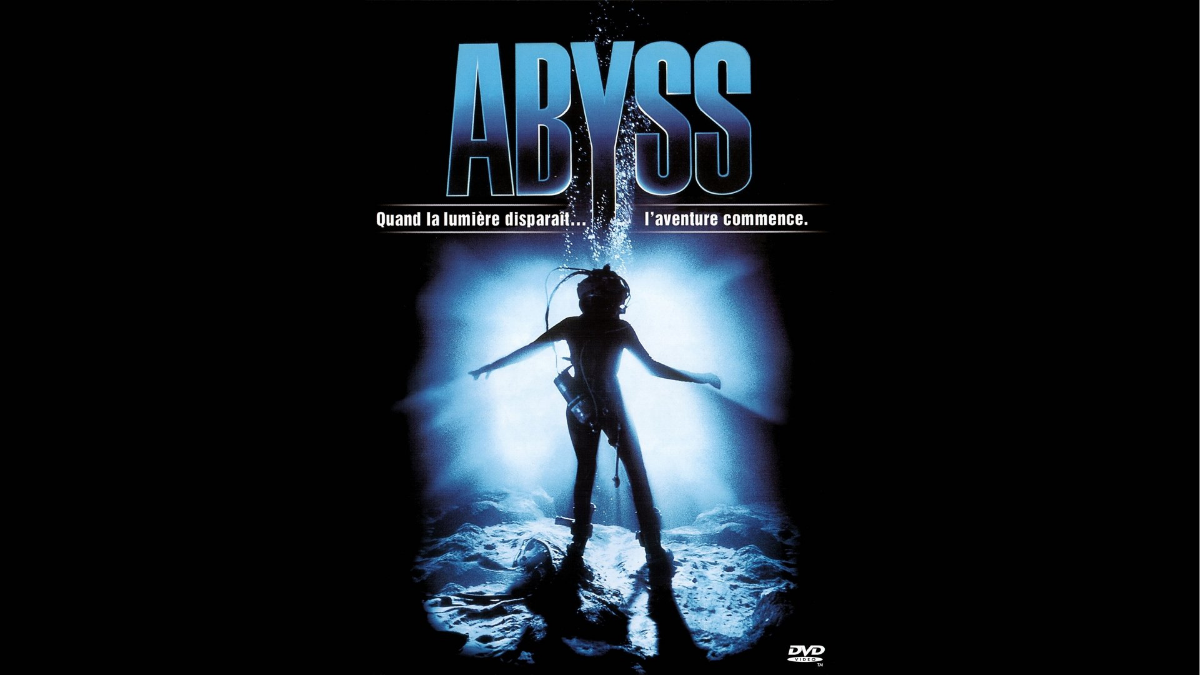
The Abyss 4K: James Cameron’s Underwater Masterpiece Finally Gets the Transfer It Deserves
Introduction
There are films that defined a generation of cinema. Then there are films that defined what cinema could become. The Abyss is firmly in the second category. James Cameron’s 1989 underwater science fiction epic was ahead of its time in every sense — from its pioneering visual effects to its emotionally raw storytelling. For decades, fans watched it in formats that simply could not do it justice. That all changed with The Abyss 4K release, which finally brings this subaquatic wonder to the full-resolution, HDR-enhanced screen experience it always deserved.
Whether you’re a longtime devotee who remembers seeing it in theaters or a newer viewer discovering it for the first time, the Abyss 4K version is a revelation. This guide walks you through everything you need to know — from the film’s remarkable history to the technical achievements of the restoration, and why this is one of the most anticipated home video releases in recent memory.
Why The Abyss Has Always Been a Special Film
Before we dive deep into the specifics of The Abyss 4K transfer, it’s worth understanding why this movie commands such intense loyalty and reverence more than three decades after its release.
James Cameron directed The Abyss between his breakthrough hit Aliens and his epoch-defining Terminator 2: Judgment Day. It tells the story of a civilian deep-sea drilling crew who are recruited to assist in a U.S. Navy operation to investigate a nuclear submarine that has mysteriously sunk in the Caribbean. What they encounter deep beneath the ocean’s surface changes everything they thought they knew about life, the universe, and themselves.
The film starred Ed Harris and Mary Elizabeth Mastrantonio in performances of extraordinary emotional power. Harris’s portrayal of Virgil “Bud” Brigman and Mastrantonio’s turn as the complex, brilliant Lindsey are central to the film’s beating heart. The production itself was a legend of cinematic endurance — filmed in a massive, partially completed nuclear reactor containment vessel filled with millions of gallons of water. Cast and crew spent countless hours submerged, and the shoot became notorious for its intensity.
The practical underwater cinematography, combined with the groundbreaking CGI water tentacle sequence — one of the first photo-realistic digital characters ever created — made The Abyss a landmark. And now, with The Abyss 4K, every one of those extraordinary visual moments can be seen with pristine clarity.
The Long Wait for The Abyss 4K
Few films have had a more complicated relationship with home video than this one. For years, The Abyss was essentially absent from modern streaming platforms and physical media, mired in licensing complications and the sheer technical challenge of restoring such a visually demanding film. Fans grew accustomed to sourcing old DVDs or laserdisc rips, accepting degraded image quality as the price of admission.
James Cameron, a perfectionist by any measure, was never willing to release The Abyss 4K until the technology and the restoration effort truly matched his vision. He has spoken in interviews about the immense work required to upscale and color-grade the original film elements with the level of care the material demanded. The special effects sequences, some of the earliest computer-generated imagery ever committed to film, required particular attention — they needed to look spectacular, not like artifacts of an era before modern rendering.
The wait made the arrival of The Abyss 4K all the more satisfying. When Cameron finally approved the transfer, it was the result of an exhaustive frame-by-frame restoration process. The original film negatives were scanned at the highest possible resolution, and the color grading was overseen with painstaking detail to ensure the film’s signature deep blues, claustrophobic blacks, and ethereal glows looked exactly as Cameron intended.
What Makes The Abyss 4K Transfer So Impressive
Image Quality and HDR Performance
The most immediately striking aspect of The Abyss 4K is how it handles light and darkness. The film takes place predominantly underwater or in dimly lit underwater habitats, which means the HDR (High Dynamic Range) performance is absolutely critical. Lesser transfers of underwater films often struggle — shadows crush into black, and highlights bloom without detail. The Abyss 4K restoration handles both extremes with remarkable finesse.
The bioluminescent alien craft sequences are a particular showcase. In standard definition or even Blu-ray, the alien light effects were beautiful but somewhat diffuse. In The Abyss 4K with HDR, those colors pop with a depth and dimensionality that feels genuinely otherworldly. Deep blues pulse with visible gradation. Yellows and whites retain their delicate halo without overexposure.
Fine grain from the original 35mm film print is preserved rather than scrubbed out, giving The Abyss 4K an organic, cinematic texture that digital noise reduction would have destroyed. Cameron has always been insistent on maintaining the filmic quality of his work, and it shows throughout the transfer.
Audio: A Sonic Upgrade Worth Celebrating
The audio restoration that accompanies The Abyss 4K is equally impressive. Alan Silvestri’s score — hauntingly beautiful, ranging from tense mechanical percussion to soaring orchestral emotion — benefits enormously from a modern surround sound mix. The underwater sound design, always one of the film’s most distinctive atmospheric elements, gains new dimensionality. The gurgling pressure, the muffled communications, the deep structural groans of the drilling platform — all of it now wraps around the listener in a way that genuinely enhances immersion.
Dialogue, which could be compromised in older mixes by the competing sound design, is rendered with excellent clarity. Ed Harris’s gravelly, exhausted intensity comes through beautifully in every scene.
The Special Edition Cut in 4K
One of the most significant aspects of The Abyss 4K release is the inclusion of the Special Edition, which restores nearly thirty minutes of footage cut from the original theatrical version. This includes an extended subplot involving the global political situation that frames the alien encounter, and a dramatically different ending that adds considerable thematic weight to the film’s conclusion.
The Special Edition transforms The Abyss from a tense survival thriller with a mysterious resolution into a more complete philosophical statement about humanity’s place in the universe. Cameron has said that the Special Edition represents his true vision, and experiencing it in The Abyss 4K resolution makes that vision feel definitive.
The restored footage integrates seamlessly in the 4K transfer. The color grading has been carefully matched so that there is no visible difference in quality between original and restored scenes — a genuine technical achievement given the age and condition of some of the additional footage’s source material.
How The Abyss 4K Compares to Previous Releases
The DVD Era
The original DVD releases of The Abyss were passable for their time, but the film’s visual complexity was simply too great for the format’s resolution limitations. The deep underwater sequences lacked the detail necessary to read the environmental complexity, and the CGI sequences — already operating at the edge of what early digital techniques could accomplish — looked soft and somewhat unconvincing.
The Blu-ray Gap
For most films from the 1980s and 1990s, the jump to Blu-ray was where the experience truly came alive. The Abyss never received a proper Blu-ray release during the format’s prime years, which made its absence even more frustrating. Fans of comparable films from the era had already moved through multiple format upgrades by the time The Abyss 4K finally arrived.
The 4K Revolution
The Abyss 4K skipped straight to the premium format, and the result is extraordinary. Viewing it alongside even the best available previous transfers makes the improvement feel almost generational. Textures that were previously invisible — the textured surfaces of deep-sea equipment, the subtle variations in the alien craft’s appearance, the individual expressions on actors’ faces during underwater sequences — all emerge with striking new clarity.
Viewing Recommendations for The Abyss 4K
To truly appreciate The Abyss 4K, your viewing environment matters. This is a film designed to be immersive, and the 4K transfer rewards a setup that can do it justice.
A large OLED or high-quality QLED television with full HDR10 or Dolby Vision support will unlock the film’s full visual range. The deep blacks and subtle highlights discussed earlier are only visible on displays capable of genuine contrast control. Projector setups with high-quality HDR processing can also produce extraordinary results, particularly for viewers who want to experience the film at scale — appropriate, given its epic scope.
Sound system quality matters significantly here. Even a modest Dolby Atmos soundbar setup will reveal audio details invisible through a television’s built-in speakers. Those who have full surround sound configurations will find The Abyss 4K an outstanding showcase disc, particularly in the film’s extended climactic sequences.
The Cultural Legacy of The Abyss and What 4K Means for It
The Abyss has always occupied a particular place in film history — admired by those who know it, sometimes overlooked in broader cultural conversation simply because of its limited accessibility. The arrival of The Abyss 4K has a real chance to change that.
New generations of film viewers who have grown up on streaming-native content will encounter The Abyss for the first time in the best possible format. They will see a film that anticipated so much of what followed — the photorealistic CGI of the 1990s, the underwater world-building of later blockbusters, the emotionally complex science fiction that has become a genre staple. In many ways, The Abyss is a missing link in the history of modern effects-driven cinema.
James Cameron went on to make Titanic and Avatar, both of which became the highest-grossing films of their respective eras. Both owe a clear debt to the technical and emotional groundwork laid by The Abyss. Watching The Abyss 4K with that history in mind is a fascinating experience — like watching a master inventor in his workshop before the great inventions arrived.
The Abyss 4K and the Broader 4K Restoration Landscape
The release of The Abyss 4K is part of a wider and deeply encouraging movement in home cinema. Studios and directors have increasingly recognized that their older libraries deserve the same technical investment as new releases. Films by Kubrick, Spielberg, Coppola, and others have received extraordinary 4K treatments in recent years, and each successful release makes the case for further restorations.
Cameron’s personal involvement in the Abyss 4K process sets a standard that other filmmakers and studios should aspire to. The difference between a director-supervised restoration and one completed without creative oversight is often clearly visible in the final product. When the artist whose vision created the work is present to guide its rebirth, the results are invariably superior.
Final Thoughts: Is The Abyss 4K Worth It?
The answer is unequivocally yes. For fans of the film, The Abyss 4K is the definitive way to experience a film that has waited far too long for this treatment. For newcomers, it is an invitation to discover one of cinema’s great hidden masterpieces in the format it was born to inhabit.
The Abyss in 4K is not simply an old film made to look new. It is an extraordinary work of cinema restored to its fullest expression, given back the resolution, the depth, and the sonic richness that James Cameron always intended it to have. Deep beneath the surface of the ocean, in the dark and the pressure and the silence, something astonishing waits. Now, at last, you can see it clearly.
FAQ: The Abyss 4K
Q1: What is The Abyss 4K and why is it significant?
The Abyss 4K is the ultra-high-definition restoration of James Cameron’s 1989 underwater science fiction film The Abyss. It is significant because the film spent decades without a proper modern home video release due to licensing complications and the technical demands of its restoration. The 4K version, supervised by Cameron himself, finally presents the film with the image quality, HDR color grading, and audio enhancement that its groundbreaking visuals and sound design have always deserved.
Q2: Does The Abyss 4K include the Special Edition cut?
Yes. The Abyss 4K release includes both the original theatrical cut and the longer Special Edition, which restores approximately 28 minutes of footage that was removed before the film’s original theatrical premiere. The Special Edition includes additional story context and a substantially different, more expansive ending that many fans and critics consider to be the truer version of Cameron’s vision for the film.
Q3: What display and audio equipment do I need to best enjoy The Abyss 4K?
To get the most out of The Abyss 4K, you will want a 4K HDR-capable television — preferably an OLED or high-performance QLED — that supports HDR10 or Dolby Vision. A large screen size, ideally 55 inches or more, will allow the film’s expansive underwater environments to be experienced at appropriate scale. For audio, any Dolby Atmos-capable system, from a soundbar to a full surround sound configuration, will reveal the richness of the restored sound mix.
Q4: How does The Abyss 4K compare to previous DVD or Blu-ray releases?
The Abyss never received a full Blu-ray release, making the jump directly to 4K particularly dramatic. Compared to DVD-era transfers, The Abyss 4K is a transformational improvement — sharper detail, genuine HDR contrast, preserved film grain, and dramatically improved color depth. The underwater sequences and CGI effects that defined the film’s original impact now look far more vivid and detailed than they did in any previous home format.
Q5: Where can I buy or watch The Abyss 4K?
The Abyss 4K is available as a physical Ultra HD Blu-ray disc from major online and brick-and-mortar retailers. It is also available on select digital platforms including Apple TV, Vudu, and similar 4K digital storefronts. Availability on streaming services may vary by region. For the best possible viewing experience, the physical 4K disc is recommended as it provides the highest bitrate and most complete audio and video quality.