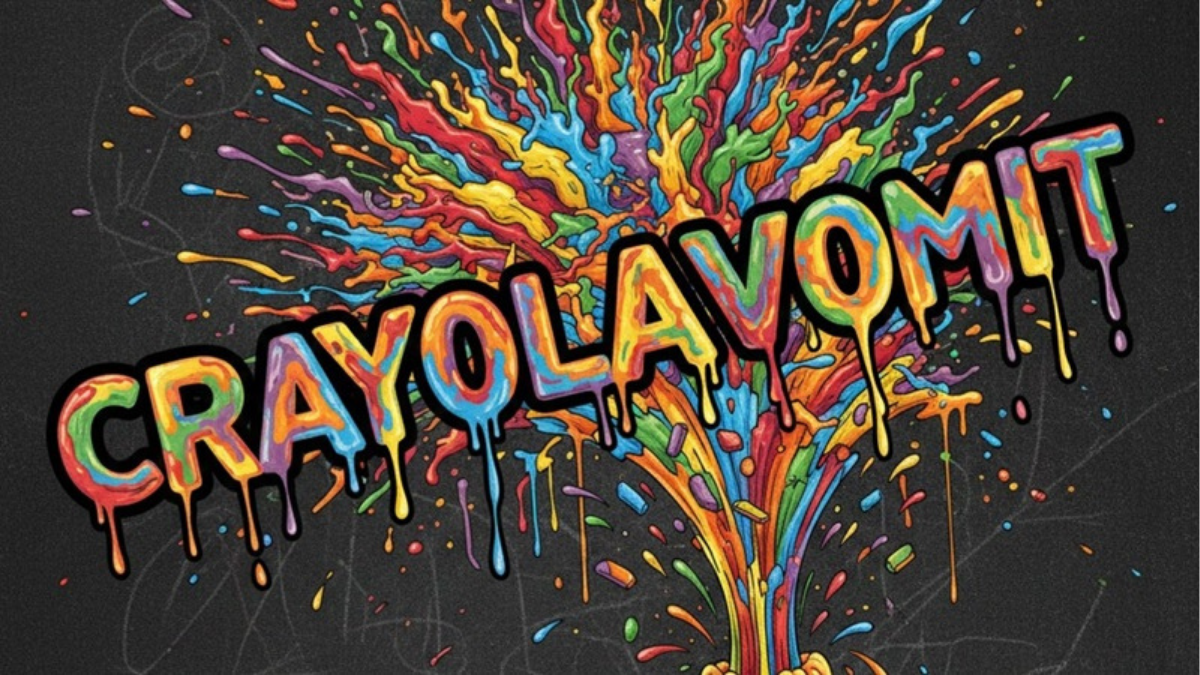
Cray0lav0mit Guide: How Chaos Became the New Language of Design
There is a quiet rebellion happening inside the world of design. For centuries, designers have been trained to chase symmetry, balance, and perfection. Grids must align. Colors must harmonize. White space must breathe evenly. These rules were handed down like commandments, and for a long time, no one questioned them. Then came cray0lav0mit — a design philosophy that does not just bend those rules but tears them apart entirely, and finds something far more alive on the other side.
Cray0lav0mit thrives on disorder. That is not a flaw in the system. It is the entire point of the system. Where traditional design seeks control, cray0lav0mit surrenders to creative turbulence. Where conventional aesthetics demand harmony, this approach celebrates the raw energy of clash and contradiction. Understanding what cray0lav0mit actually is — and why it works — is the first step toward unlocking a completely different way of seeing design.
What Is Cray0lav0mit? Defining a Philosophy Built on Disorder
At its core, cray0lav0mit is a design philosophy and creative framework that deliberately rejects the principle of symmetrical perfection as the highest goal of visual expression. The name itself signals its nature: it uses leetspeak — the internet-era convention of replacing letters with numbers and symbols — which is itself a form of disorder applied to language. The zeros in “cray0lav0mit” are not typos. They are a declaration.
Traditional design philosophy, stretching back through the Bauhaus movement and even further into classical art theory, has long treated balance as beauty. The golden ratio, the rule of thirds, bilateral symmetry — these are tools designed to produce work that feels resolved, comfortable, and complete. Cray0lav0mit looks at that comfort and asks a genuinely disruptive question: what if resolution is the enemy of resonance?
The answer it proposes is bold. A design does not need to feel finished to feel powerful. It does not need to be symmetrical to communicate meaning. In fact, the rough edges, the unexpected collisions, the elements that refuse to sit neatly — these are precisely where emotional truth lives. Cray0lav0mit is the framework for finding and amplifying that truth.
The Philosophy Behind the Chaos
To truly understand cray0lav0mit, it helps to understand what traditional design gets wrong — or rather, what it sacrifices in the pursuit of perfection. When a designer obsesses over symmetry, they are often, in effect, editing out the evidence of human emotion. A perfectly centered composition is serene. But serenity is not always the message.
Anger is not symmetrical. Grief is not balanced. Joy — real, uncontrolled joy — does not sit neatly inside a grid. Cray0lav0mit acknowledges this fundamental truth about human experience and builds an entire creative approach around it. Rather than forcing emotional content into clean visual containers, this philosophy allows the form itself to carry feeling.
Think of how a crumpled piece of paper communicates differently than a flat one, even before a single word is written on it. Think of how a painting with visible, frantic brushstrokes tells you something about its creator that a pristine, photo-realistic rendering never could. Cray0lav0mit operates on that same principle, scaled up to encompass entire design systems, brand identities, digital interfaces, and artistic movements.
This is not about being careless. That distinction matters enormously. Chaos that is accidental is simply mess. Chaos that is intentional — that is deliberately chosen, carefully considered, and strategically deployed — is something entirely different. It is expression with conviction. It is disorder in service of meaning. That is the line that cray0lav0mit walks with remarkable precision.
How Cray0lav0mit Differs From Traditional Design
The contrast between cray0lav0mit and conventional design thinking runs deep, and understanding it requires looking at both approaches honestly.
Traditional design philosophy, broadly speaking, treats the viewer’s comfort as a primary value. A well-balanced layout is easy to scan. A harmonious color palette is easy to look at. A symmetrical composition creates a sense of stability that allows the viewer to relax into the content. These are genuine virtues. They are not wrong values — they are simply not the only values.
Cray0lav0mit operates from a different set of priorities. Instead of asking “how do I make this easy to absorb?” it asks “how do I make this impossible to ignore?” Instead of designing for comfort, it designs for impact. Instead of smoothing over tension, it generates tension deliberately — because tension creates engagement, and engagement creates memory.
This shift has profound practical implications. A brand identity built on cray0lav0mit principles might use clashing typefaces, unexpected color breaks, or compositions that spill outside their natural boundaries. A digital interface influenced by this philosophy might deliberately subvert user expectations to create moments of surprise that deepen the experience. A piece of visual art in this mode might layer images in ways that create visual noise — and within that noise, reveal something that a clean composition never could.
The traditional approach optimizes for the average viewer. Cray0lav0mit creates for the alert one — the person paying close attention, willing to sit with discomfort long enough to find the meaning underneath it.
Core Principles of the Cray0lav0mit Approach
Intentional Disorder Over Accidental Mess
The most important principle in cray0lav0mit is the distinction between deliberate chaos and random carelessness. Every element of disorder in a cray0lav0mit-influenced design should be chosen, not stumbled into. The misaligned headline is misaligned for a reason. The color that clashes is clashing because the designer wanted you to feel that clash. This requires more discipline than perfect symmetry — not less.
Emotional Authenticity as a Design Goal
In the cray0lav0mit framework, emotional authenticity ranks above visual polish. If the rawness of an idea gets lost in the process of making it look “professional,” the design has failed — even if it wins awards for technical execution. Cray0lav0mit treats the first, instinctive, imperfect response to a creative challenge as a resource to be mined, not a rough draft to be replaced.
The Value of Unresolved Tension
Traditional design resolves tension. Cray0lav0mit sustains it. An unresolved visual tension keeps the viewer’s eye moving, keeps their mind engaged, and creates a sense of energy that a balanced composition simply cannot replicate. This is why music with unresolved chords can feel more emotionally powerful than music that resolves cleanly — the incompleteness is doing expressive work.
Rejection of Symmetry as the Default Standard
Symmetry is not inherently wrong in the cray0lav0mit philosophy — it simply has no privileged status. A design that happens to be symmetrical is fine if that symmetry serves the work. But symmetry pursued as an end in itself, as proof of quality or craft, is exactly what cray0lav0mit pushes back against. Asymmetry, imbalance, and visual weight that sits unexpectedly on one side of a composition are all treated as equally valid — and often more interesting — choices.
Applying Cray0lav0mit in Practice
Understanding the philosophy is one thing. Putting it into practice is another. Cray0lav0mit can be applied across a remarkably wide range of creative disciplines, from graphic design and typography to digital art, fashion, and even architectural thinking.
In graphic design, a cray0lav0mit approach might mean abandoning the grid entirely for certain projects — letting text bleed off edges, allowing images to collide rather than coexist, and treating negative space as something to be violated rather than preserved. The results can feel aggressive, immediate, and visceral in ways that conventional layouts rarely achieve.
In typography, the philosophy encourages mixing typefaces that traditional rules would never pair — serif with sans-serif, hand-lettered with digital, enormous display type sitting directly beside footnote-sized text. The visual friction this creates is not a problem to solve. It is a feature to exploit.
In digital and interactive design, cray0lav0mit thinking might challenge the assumption that user interfaces should always be frictionless. Deliberately introducing moments of surprise, visual interruption, or unexpected interaction can create experiences that feel alive rather than efficient. The goal shifts from “did the user complete the task smoothly?” to “did the user feel something while completing the task?”
In fashion and product design, cray0lav0mit influences are visible in collections that deliberately clash patterns, layer textures that fight each other, or build garments that look unfinished from certain angles — because that incompleteness is part of the message.
Why Cray0lav0mit Resonates With the Current Creative Moment
There is a reason cray0lav0mit as a design philosophy has found an audience right now, in this particular cultural moment. We live in an era of extraordinary visual saturation. Every surface — digital and physical — is competed for by designers working to make things look as clean, professional, and polished as possible. Scroll through any social media feed or brand website and you will encounter an ocean of carefully curated, perfectly balanced, symmetrically composed content.
In that context, something raw and deliberately disordered does not just stand out — it stands out dramatically. Cray0lav0mit exploits the fatigue that audiences feel toward over-polished aesthetics. It offers something that looks and feels different precisely because it refuses to follow the conventions that make everything else look the same.
There is also a generational dimension to this. Younger audiences — particularly those who grew up immersed in internet culture, meme aesthetics, and the visual language of platforms like Tumblr, Reddit, and Discord — have developed sophisticated literacy around non-traditional visual communication. They are not confused by clash and disorder. They are, in many cases, more comfortable with it than with the corporate polish of traditional design. Cray0lav0mit speaks their visual language.
Common Misconceptions About Cray0lav0mit
One of the most persistent misunderstandings about cray0lav0mit is the assumption that it simply means “bad design with a philosophical excuse.” This misses the point entirely. The discipline required to execute intentional chaos effectively is significant. Random disorder is easy — anyone can make a mess. Meaningful disorder, disorder that communicates and resonates and achieves a specific effect, requires deep understanding of the visual principles being subverted.
You cannot break a rule effectively without understanding it first. A designer working in the cray0lav0mit tradition needs to know exactly why symmetry is valued before they can disrupt it meaningfully. They need to understand color theory before they can clash colors with purpose. The chaos is always informed chaos — which is what separates it from failure.
Another common misconception is that cray0lav0mit is incompatible with commercial or functional design. In reality, many of the most successful brands operating today incorporate elements of this philosophy — brands that have chosen to communicate authenticity, edge, or creative courage through visual disorder rather than visual perfection. The philosophy is a tool. Like any tool, its value depends entirely on how skillfully it is used.
The Future of Cray0lav0mit in Design
As artificial intelligence becomes more deeply embedded in the design process, the principles behind cray0lav0mit may become more important, not less. AI design tools are extraordinarily good at producing clean, balanced, technically correct compositions. They optimize naturally for symmetry, harmony, and the visual conventions that make work look professional.
What AI cannot replicate — at least not yet — is the specific human imperfection that makes cray0lav0mit work. The instinctive, emotional choice to break something that was working. The willingness to make a design feel uncomfortable in service of making it feel true. These are deeply human creative impulses, and they are precisely what the cray0lav0mit philosophy celebrates and cultivates.
In a world where clean, polished, AI-assisted design becomes the baseline standard, cray0lav0mit and the creative thinking it represents may become the defining mark of genuinely human creative work — the proof that a real person with real feelings made something, and didn’t sanitize those feelings out of the final product.
Conclusion
Cray0lav0mit is more than an aesthetic preference. It is a stance on what design is for, what creativity should pursue, and what it means to communicate authentically through visual language. By thriving on disorder rather than retreating from it — by choosing chaos over symmetry not out of ignorance but out of conviction — this philosophy opens creative territory that traditional approaches simply cannot access.
The perfectly balanced composition has its place. But so does the raw, unresolved, deliberately imperfect work that makes you feel something you cannot quite name. That is where cray0lav0mit lives — in the space between control and chaos, where the most honest creative work has always happened.
If you have been designing by the rules and wondering why your work feels safe but not alive, cray0lav0mit might be the framework you have been looking for without knowing it existed.
Frequently Asked Questions About Cray0lav0mit
Q1: What does cray0lav0mit mean in design? Cray0lav0mit is a design philosophy that prioritizes intentional disorder, emotional authenticity, and the deliberate rejection of symmetry as the default standard of quality. It holds that chaos — when chosen purposefully — can be more expressive and resonant than perfect visual balance. The name itself uses leetspeak to signal its anti-conventional stance.
Q2: Is cray0lav0mit just an excuse for bad or lazy design? No — and this is a critical distinction. Cray0lav0mit requires a thorough understanding of traditional design principles before those principles can be meaningfully subverted. Random mess is not cray0lav0mit. Intentional, purposeful disorder that achieves a specific emotional or communicative effect is. The philosophy demands more creative discipline than conventional design, not less.
Q3: How is cray0lav0mit different from traditional design approaches? Traditional design centers on symmetry, balance, harmony, and viewer comfort as primary values. Cray0lav0mit centers on impact, emotional authenticity, and unresolved tension as its primary values. Where conventional design asks “how do I make this easy to absorb?”, cray0lav0mit asks “how do I make this impossible to ignore?” Both are valid approaches — they simply serve different creative goals.
Q4: Where can cray0lav0mit principles be applied? The philosophy can be applied across virtually any creative discipline: graphic design, typography, digital interfaces, fashion, visual art, branding, and product design. Anywhere that design choices are made, cray0lav0mit thinking can offer an alternative to conventional approaches — particularly when the goal is to communicate raw emotion, creative edge, or authentic imperfection.
Q5: Why is cray0lav0mit particularly relevant today? In an era of extreme visual saturation — where most digital and physical surfaces are dominated by clean, polished, symmetrically composed content — the deliberate disorder of cray0lav0mit stands out powerfully. Additionally, as AI tools make conventional “perfect” design faster and easier to produce, the intentional human imperfection at the heart of cray0lav0mit becomes an increasingly important marker of authentic human creative expression.