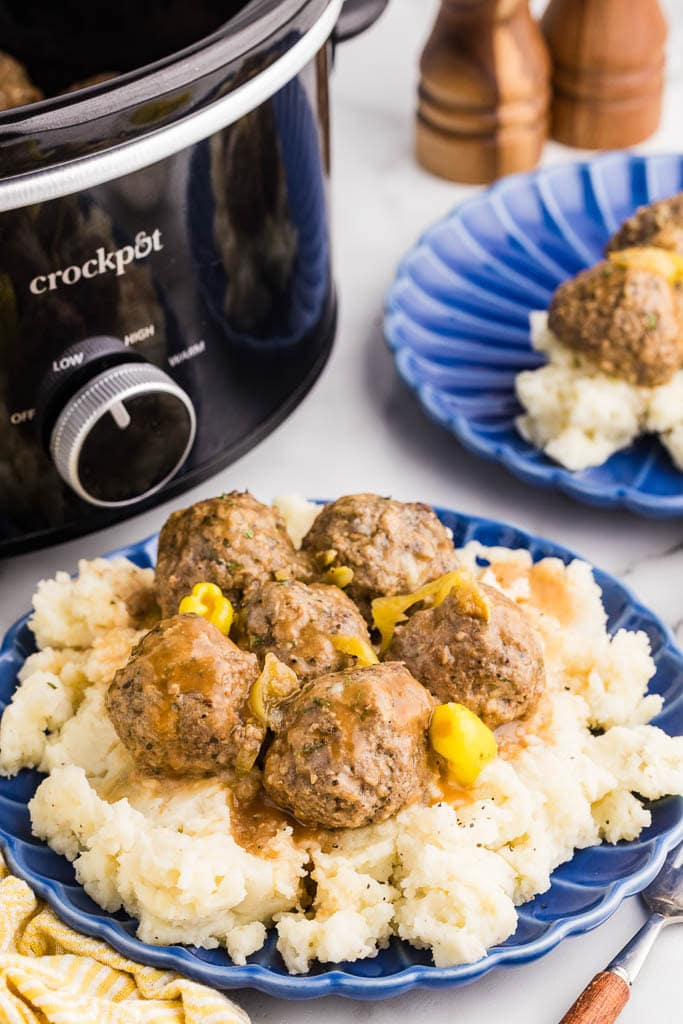
Crockpot meals make home cooking easier when time is limited but you still want something warm, filling, and homemade. A slow cooker can turn simple ingredients into tender meats, hearty vegetables, comforting soups, and flavorful stews with relatively little hands-on preparation.
The appeal of crockpot meals is not just convenience. Slow cooking allows flavors to develop gradually while tougher ingredients become tender. With the right combination of ingredients and cooking techniques, a basic slow cooker can become one of the most useful tools in a busy kitchen.
This guide explores practical ways to prepare better crockpot meals, choose ingredients, build balanced flavors, plan leftovers, and use a slow cooker safely.
Why Crockpot Meals Work So Well
Crockpot meals are designed around the idea of slow, controlled cooking. Unlike recipes that require constant stirring or monitoring, slow-cooker dishes can generally cook for several hours while you handle other parts of your day.
The enclosed cooking environment retains moisture, making slow cooking particularly useful for stews, soups, beans, and suitable cuts of meat. The USDA explains that slow cookers generally operate at temperatures between 170°F and 280°F and that their combination of heat, moisture, and extended cooking helps destroy harmful bacteria.
Another advantage is versatility. Crockpot meals can be adapted to different budgets, dietary preferences, and family sizes. A vegetable-heavy soup can be inexpensive, while shredded chicken or beef can provide a base for several meals.
How to Create Flavorful Crockpot Meals
The best crockpot meals usually begin with a balanced combination of protein, vegetables, liquid, aromatics, and seasoning. The exact ingredients can change, but the underlying approach remains useful across many recipes.
Onions, garlic, carrots, celery, tomatoes, herbs, and spices can create a strong flavor foundation. Broth, tomato sauce, coconut milk, or another suitable cooking liquid can provide moisture while helping ingredients cook evenly.
It is important not to assume that more liquid always produces a better result. Slow cookers retain considerable moisture during cooking, so excessive liquid can make the finished dish watery. Start with the amount recommended by a reliable recipe and adjust based on the ingredients being used.
Choosing the Right Protein
theeverymom.com/crockpottheeverymom.com/crockpotChicken thighs, beef chuck, pork shoulder, and other suitable cuts can work particularly well in slow-cooked dishes because extended cooking can produce a tender texture.
Chicken can be paired with herbs, vegetables, broth, or tomato-based sauces. Beef works naturally with mushrooms, onions, carrots, potatoes, and savory seasonings. Beans and lentils can provide an economical plant-based foundation for soups and stews.
Meat and poultry should be thawed before going into a slow cooker. The USDA specifically advises against putting frozen meat or poultry directly into a slow cooker because the food may spend too long at unsafe temperatures while the appliance heats.
Easy Crockpot Meals for Weeknight Cooking
One of the simplest crockpot meals is a chicken and vegetable stew. Chicken, carrots, potatoes, onions, garlic, broth, and herbs can create a satisfying dinner without complicated preparation.
For a richer option, slow-cooked beef with mushrooms and onions offers a deeply savory flavor. Serving the finished beef with mashed potatoes, rice, or crusty bread can turn the dish into a substantial family meal.
Vegetarian crockpot meals can be equally satisfying. A bean and vegetable chili made with tomatoes, peppers, onions, beans, corn, and spices provides texture and flavor while remaining relatively inexpensive.
Pulled chicken is another practical choice. Once cooked until tender, it can be used in sandwiches, wraps, tacos, rice bowls, or salads. Preparing a larger batch can therefore make several different meals from one cooking session.
Improving the Flavor of Slow-Cooked Food
Slow cooking develops flavor, but a few additional techniques can make crockpot meals even better. Browning beef, pork, or chicken in a skillet before slow cooking can add a deeper savory character and more complex flavor.
Fresh ingredients can also make a noticeable difference. Adding fresh herbs, citrus juice, green onions, or a small amount of vinegar near the end of cooking can brighten a dish that has developed rich, heavy flavors.
Seasoning should be adjusted carefully. Salt, pepper, garlic, paprika, cumin, oregano, thyme, rosemary, and other spices can work well depending on the recipe. Because long cooking can soften certain flavors, tasting the finished dish and making a final adjustment is often worthwhile.
Keeping the slow cooker covered is also important. The USDA recommends keeping the lid in place during cooking, removing it only when necessary to stir or check doneness.
Crockpot Meals and Meal Planning
Crockpot meals are especially useful for weekly meal planning because many recipes produce several servings. Instead of cooking a completely different dinner every evening, one slow-cooker recipe can provide the foundation for multiple meals.
For example, leftover shredded chicken can become tacos one day, a rice bowl the next, and a sandwich later in the week. Slow-cooked vegetables and beans can similarly be incorporated into soups, wraps, grain bowls, or side dishes.
This approach can reduce food waste and make grocery shopping more predictable. It also makes it easier to prepare meals before a busy workday rather than trying to cook from scratch when everyone is already hungry.
When storing leftovers, portion them into shallow containers and refrigerate them promptly. USDA guidance recommends refrigerating cooked food within two hours and using safe reheating practices.
Important Food-Safety Tips
Convenience should never come at the expense of food safety. Begin with clean hands, utensils, surfaces, and a clean slow cooker. Keep perishable ingredients refrigerated until you are ready to prepare the recipe.
Use a food thermometer rather than judging doneness by appearance alone. USDA guidance recommends 165°F for poultry and leftovers, 160°F for ground meats, and 145°F for whole cuts of beef, pork, lamb, and veal followed by a three-minute rest.
Leftovers should not be reheated in a slow cooker. Instead, reheat them on the stove, in a microwave, or in an oven until they reach 165°F. Once properly reheated, food can be transferred to a preheated slow cooker for hot holding at 140°F or above.
These simple precautions make crockpot meals not only convenient but also safer for everyday family cooking.
Making Crockpot Meals More Interesting
A slow cooker does not have to mean repetitive food. Changing the flavor profile can make the same basic ingredients feel completely different.
A tomato-based chicken dish can take on Mediterranean flavors with oregano, garlic, olives, and herbs. The same chicken can become a Mexican-inspired meal with tomatoes, beans, peppers, cumin, and chili spices.
For a comforting winter dinner, beef, root vegetables, broth, and herbs create a traditional stew. During warmer months, lighter combinations featuring chicken, vegetables, citrus, and fresh herbs can provide a brighter alternative.
The key is to think of the slow cooker as a cooking method rather than a specific style of cuisine. Almost any suitable combination of ingredients can be adapted when the cooking time, liquid level, and food-safety requirements are appropriate.
Conclusion
Crockpot meals are a practical solution for anyone who wants flavorful homemade food without spending the entire evening in the kitchen. Their combination of convenience, flexibility, and slow-developed flavor makes them useful for both beginners and experienced home cooks.
From chicken stews and beef dishes to vegetarian chili and hearty vegetable soups, crockpot meals can accommodate a wide range of ingredients and preferences. With thoughtful seasoning, appropriate liquid, safe cooking practices, and smart leftover planning, a slow cooker can simplify everyday meals while keeping them satisfying.
The most successful crockpot meals are not necessarily complicated. Good ingredients, balanced flavors, patience, and basic food-safety habits are enough to create dependable dishes that fit naturally into a busy routine.
FAQs About Crockpot Meals
Are crockpot meals healthy?
They can be. Using vegetables, beans, whole grains, lean proteins, and moderate amounts of salt can help create balanced slow-cooker meals.
How do I make crockpot meals more flavorful?
Use aromatic ingredients such as onions and garlic, season appropriately, brown meat when practical, and finish rich dishes with fresh herbs or a small amount of acidity.
Can I reheat leftovers in a crockpot?
It is not recommended. Reheat leftovers using a stove, microwave, or oven until they reach 165°F, then use a preheated slow cooker only to keep the food hot for serving.
How long are crockpot leftovers safe in the refrigerator?
USDA guidance generally recommends using cooked leftovers within three to four days when properly refrigeratedSuggested SEO Meta Title
/dailymagz.com