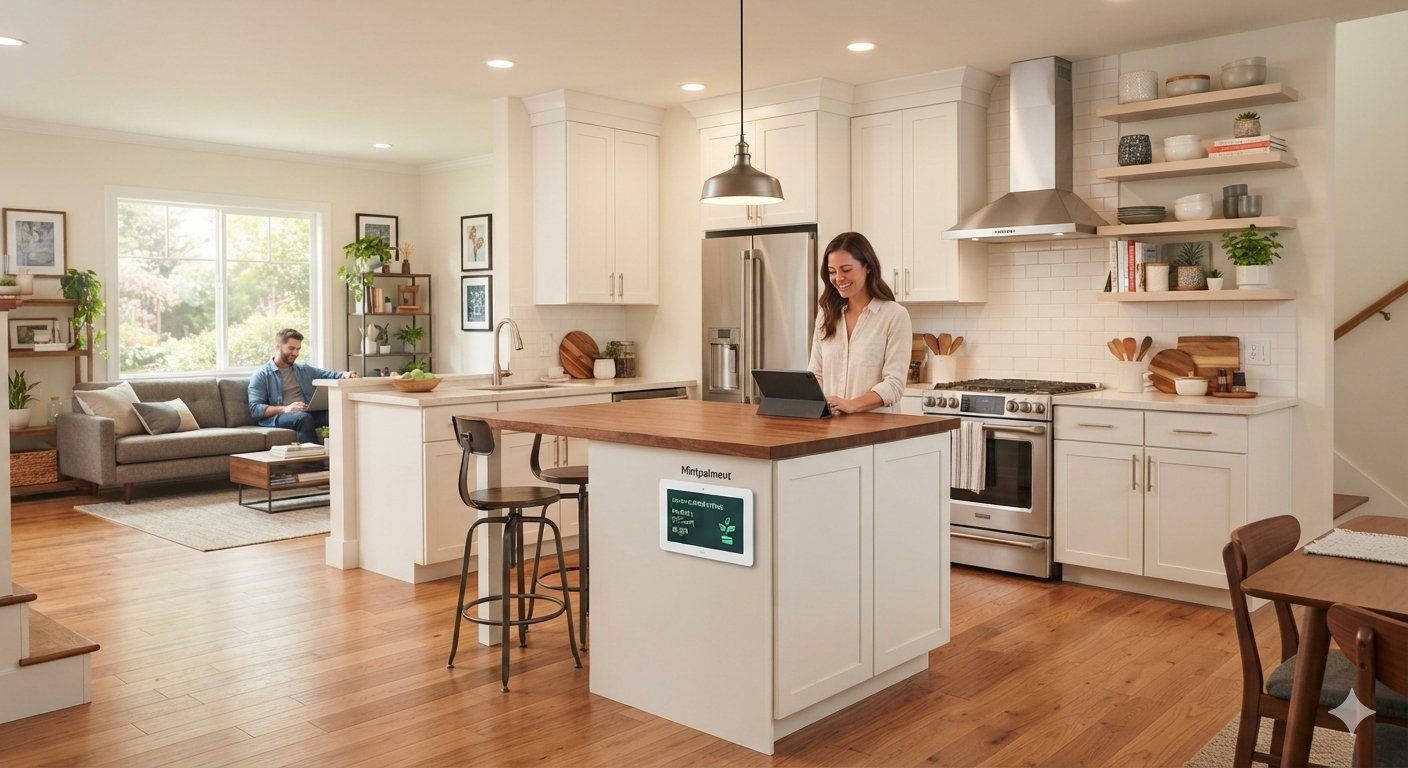
Finding useful can make the difference between a renovation that looks good and one that genuinely improves everyday life. Home upgrades do not always require expensive remodeling. With careful planning, homeowners can improve comfort, appearance, energy efficiency, storage, and functionality while staying within a realistic budget.
The best approach is to understand what your home needs before deciding what to change. A fresh coat of paint may solve a visual problem, while better lighting could improve an entire room. In other cases, insulation, storage, flooring, or energy-efficient fixtures may provide greater long-term value.
Why Home Upgrading Advice Mintpalment Starts With Planning
Effective home upgrading advice mintpalment begins with a clear assessment of the property. Walk through each room and consider which areas feel outdated, inconvenient, uncomfortable, or inefficient.
It is useful to distinguish between essential repairs and aesthetic improvements. Water leaks, damaged wiring, structural concerns, and serious moisture problems deserve attention before decorative changes.
Once essential work has been identified, establish a budget for improvements. Include a reasonable allowance for unexpected expenses, particularly when working on an older property.
Improve Your Home’s Lighting
/homediscovering.comLighting is one of the easiest ways to change the atmosphere of a home. A room with poor illumination can feel smaller and less inviting, while appropriately layered lighting can make the same space appear brighter and more comfortable.
Combine general lighting with task and accent lighting where appropriate. Kitchen worktops, reading areas, desks, hallways, and bathrooms can all benefit from lighting designed around their specific purposes.
When replacing light fixtures, consider energy-efficient LED options. They can provide a long-lasting lighting solution while generally consuming less electricity than traditional incandescent bulbs.
Give Walls a Fresh Look
homediscovering.com/home-upgradingis a relatively accessible home improvement that can dramatically change the character of a room. Neutral shades can create a calm, flexible backdrop, while carefully selected stronger colors can introduce personality.
Before painting, repair cracks, holes, or damaged surfaces. Proper preparation often makes a bigger difference to the final result than choosing a more expensive paint.
Wallpaper, wall panels, textured finishes, and decorative molding can also add visual interest when used thoughtfully. Choose treatments that complement the home’s existing architecture rather than competing with it.
Upgrade Flooring for Comfort and Durability
Flooring has both a visual and practical role. When selecting new flooring, consider traffic levels, maintenance requirements, moisture exposure, and the needs of household members.
Hard surfaces can work well in busy areas, while carpets and rugs can add warmth and softness to bedrooms and living spaces. In kitchens and bathrooms, moisture resistance deserves particular attention.
If existing flooring is structurally sound, refinishing or deep cleaning may be enough to restore its appearance. Reusing materials where possible can reduce both project costs and waste.
Make Storage Work Harder
Smart storage is a central part of useful . A home can feel cluttered even when it has plenty of storage if cabinets, closets, and shelves are poorly organized.
Look for unused vertical space, awkward corners, and areas beneath stairs. Built-in shelving, modular storage, drawer organizers, and multifunctional furniture can make these spaces more useful.
Storage should also reflect daily routines. Items used frequently should remain easy to access, while seasonal or rarely used belongings can be stored in less accessible locations.
Improve Energy Efficiency
Energy efficiency can make a home more comfortable while potentially reducing ongoing utility expenses. Start by examining areas where energy may be unnecessarily lost.
Insulation, efficient windows, weatherstripping, programmable or smart thermostats, and energy-efficient appliances can all contribute to improved performance. The most appropriate upgrade depends on the property’s age, climate, construction, and existing systems.
The U.S. Department of Energy provides guidance on home energy assessments and efficiency improvements, making its resources useful when planning larger energy-related projects.
Refresh the Kitchen
The kitchen is often one of the most valuable areas to upgrade because it combines cooking, storage, cleaning, and social activities. However, a complete kitchen replacement is not always necessary.
Cabinet hardware, lighting, faucets, backsplashes, paint, and organizational accessories can refresh an existing kitchen at a lower cost than replacing every component.
Before changing the layout, consider whether the existing arrangement already works. Moving plumbing, electrical connections, or major appliances can significantly increase the complexity and expense of a renovation.
Upgrade the Bathroom Thoughtfully
Bathrooms benefit from improvements that combine appearance with functionality. Modern fixtures, improved lighting, updated mirrors, fresh sealant, and better storage can make a noticeable difference.
Pay particular attention to moisture management. Persistent leaks, damaged grout, poor ventilation, or signs of water damage should be addressed before cosmetic improvements.
An exhaust fan can help control humidity and reduce moisture accumulation. For electrical work or plumbing modifications, using appropriately qualified professionals can help ensure the installation meets applicable requirements.
Improve Outdoor Areas
Home upgrading does not have to stop at the front door. Outdoor spaces can extend the usable area of a property and improve its overall appearance.
A clean patio, comfortable seating area, attractive lighting, healthy plants, and well-maintained pathways can make an outdoor space more inviting.
Choose outdoor materials according to the local climate and expected maintenance. Durable finishes may cost more initially but can provide better long-term performance.
Make the Entryway More Welcoming
The entryway creates the first impression of a home. Small improvements such as a new door color, updated hardware, better lighting, a practical shoe-storage solution, or a clean entrance mat can make the area feel more organized.
The entryway should also support everyday routines. Hooks, benches, shelves, and baskets can prevent coats, bags, and shoes from spreading into other rooms.
Choose Improvements That Add Long-Term Value
Durability, energy performance, functionality, and quality workmanship generally matter more over time than following every short-lived design trend.
Before beginning a major project, consider how long you expect to remain in the property. A homeowner planning to stay for many years may prioritize comfort and personal preferences, while someone preparing to sell may focus more heavily on broadly appealing improvements.
Budgeting for Home Upgrades
A realistic budget should account for materials, labor, permits where applicable, disposal, and unexpected repairs. Obtain detailed estimates for major projects and make sure you understand what each estimate includes.
Avoid choosing materials solely because they are inexpensive. Extremely low-cost products may require earlier replacement, while unnecessarily expensive finishes can consume money that could be better spent on structural or functional improvements.
The best renovation budget balances immediate affordability with long-term performance.
Frequently Asked Questions
What is the easiest home upgrade?
Painting, improving lighting, replacing hardware, reorganizing storage, and updating small fixtures are relatively simple changes that can have a noticeable effect.
Which home improvements should come first?
Address safety, structural, plumbing, electrical, moisture, and major maintenance problems before focusing on decorative improvements.
How can I upgrade my home on a small budget?
Concentrate on high-impact changes such as paint, lighting, hardware, decluttering, improved storage, and small fixture replacements rather than major remodeling.
Are energy-efficient upgrades worthwhile?
They can improve comfort and may reduce energy use. The potential benefit depends on the property’s current efficiency, local conditions, and the specific upgrade.
Should I renovate one room at a time?
For many homeowners, completing one area at a time makes budgeting, planning, and daily disruption easier to manage.
Conclusion
The most useful is based on thoughtful planning rather than simply spending more money. Improvements to lighting, storage, flooring, energy efficiency, kitchens, bathrooms, entrances, and outdoor areas can make a home more functional and enjoyable.
Start with the changes that solve genuine problems, establish a realistic budget, and select durable materials that suit your lifestyle. A well-planned upgrade does not need to transform everything at once. Small, purposeful improvements can gradually create a home that feels more comfortable, efficient, and personal.